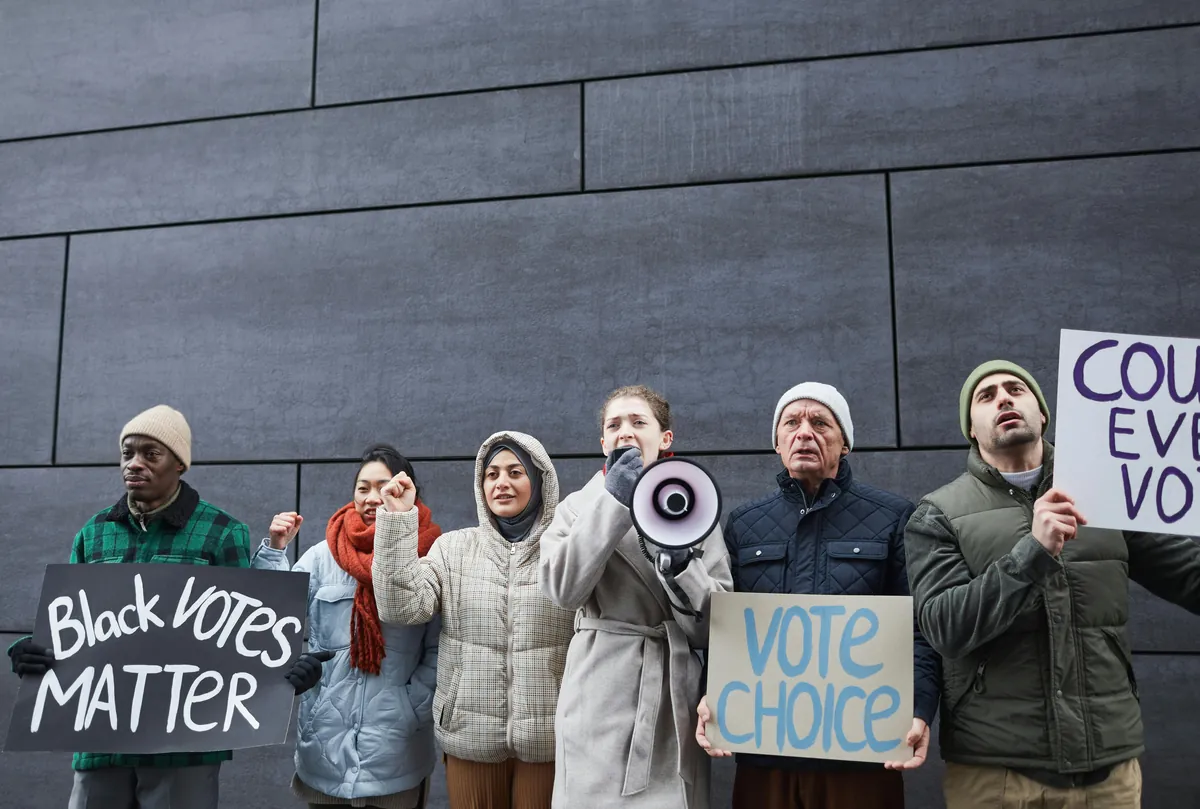
The s&p market stands as a key barometer of U.S. and global economic health. But beyond corporate earnings and economic data, politics increasingly plays a pivotal role in influencing stock market performance. Whether it’s legislation, fiscal policies, or geopolitical tensions, the political landscape can significantly impact the S&P 500 and broader market sentiment.
For investors, understanding the intersection of politics and the S&P market is essential. Decisions made in Washington or global capitals can swiftly translate into buying or selling pressure, volatile price swings, and changing sector fortunes. This makes political awareness a critical tool for navigating market opportunities and risks.
In this article, we’ll explore how various political factors—from elections to regulation—affect the S&P market. We’ll also highlight how investors can monitor political developments to better position their portfolios in this complex environment.
Why Politics Matters for the S&P Market
The S&P 500: More Than Just Corporate Performance
The S&P 500 index aggregates 500 large-cap U.S. companies, reflecting corporate profitability, economic trends, and investor sentiment. However, it doesn’t operate in a vacuum. Political decisions can alter the business environment dramatically, affecting everything from tax rates to trade policies and infrastructure spending. Wikipedia
Because the S&P 500 companies are so diverse, political changes often impact sectors differently. For example, healthcare reforms might boost biotech firms but pressure insurers. Regulatory shifts can either hamper or accelerate technology companies’ growth.
Policy Shifts Influence Market Sentiment Fast
Markets thrive on predictability. Unexpected political moves—like rapid tariff impositions or surprise legislative reforms—can spook investors, triggering volatility. Conversely, clear policy signals, such as announced infrastructure bills or central bank strategies, can fuel market rallies. Netflix Untamed: Exploring Political Narratives in Today’s Streaming Era
Investors tracking the S&P market closely watch political calendars—elections, congressional sessions, and major hearings—to anticipate how policy trajectories could affect market fundamentals.
Key Political Factors Impacting the S&P Market
Elections and Their Market Implications
Presidential and congressional elections are among the most significant political events affecting the S&P market. Different administrations have varying priorities regarding taxation, regulation, and fiscal stimulus, all of which can shift investor expectations.
For instance, a government leaning towards deregulation typically boosts investor confidence in sectors like energy and finance. In contrast, promises of higher corporate taxes might weigh on stock prices.
Legislative Actions and Corporate Regulations
Legislation directly influences the operational landscape of companies within the S&P 500. Consider the impact of antitrust investigations on big tech firms or environmental regulations on energy companies. These policies can alter profit margins and compel strategic shifts.
Even the anticipation of new laws causes market movements. As legislation progresses through Congress, the market reacts to the likelihood of passage, modification, or rejection.
Geopolitical Events and Trade Policies
The globalized nature of S&P 500 companies means geopolitical tensions affect supply chains, tariffs, and export markets. Trade wars, sanctions, or diplomatic disputes can hinder growth and profitability for multinational corporations.
For example, uncertainty over U.S.-China relations has previously triggered market dips, as investors feared disrupted trade flows and increased costs for companies.
Strategies to Navigate Politics in the S&P Market
Stay Informed, But Avoid Reactionary Moves
Keeping up with political news is vital, but knee-jerk reactions to every headline can be costly. Understanding the broader context and potential long-term impacts helps investors make measured decisions rather than panic selling or exuberant buying.
Diversification Across Sectors and Geographies
Since political changes impact sectors unevenly, maintaining a diversified portfolio within the S&P 500 and beyond can reduce risk. Including international exposure also mitigates risks from domestic political turbulence, as global markets respond differently. How a Debt Consolidation Business Loan Can Help Small Businesses Navigate Financial Challenges
Focus on Quality and Fundamentals
Companies with strong balance sheets, stable revenues, and adaptable business models tend to weather political storms better. Investing with an eye on fundamentals helps cushion the impact of policy uncertainty.
Use Political Events as Opportunities
Market dips caused by political uncertainty can present buying opportunities for patient investors. Those able to distinguish between short-term noise and long-term trends can capitalize on undervalued stocks.
The Future of Politics and the S&P Market
The intertwining of politics and markets is only set to grow deeper. Emerging issues like climate change legislation, technology regulation, and global economic realignments will keep shaping the S&P market’s trajectory.
Investors who develop political literacy and incorporate it into their investment approach will better position themselves for the volatility and opportunities ahead.
FAQ
How does the S&P market react to election results?
Election outcomes influence investor expectations about policy changes like taxation and regulation. Markets generally prefer predictability, so clear outcomes tend to stabilize prices. However, shifts in administration priorities can cause sector-specific impacts and volatility in the S&P market.
Can legislative sessions cause volatility in the S&P 500?
Yes. As laws are proposed and debated, uncertainty about their final form can lead to market fluctuations. Investors often react to the likelihood of legislation passing and its expected impact on businesses within the S&P 500.
Why are geopolitical tensions important for S&P investors?
Many S&P companies operate globally, so geopolitical issues like trade disputes or sanctions can disrupt supply chains and markets. These factors can affect earnings and stock prices, contributing to market volatility.
What strategies help manage political risk in the S&P market?
Diversification, focusing on quality companies, staying informed without overreacting, and viewing political events as potential investment opportunities are key strategies to manage political risk effectively.
Will political events always cause long-term changes in the S&P market?
Not necessarily. Some political developments lead to short-term volatility but don’t alter the market’s long-term fundamentals. It’s essential to differentiate between transient noise and lasting policy shifts.