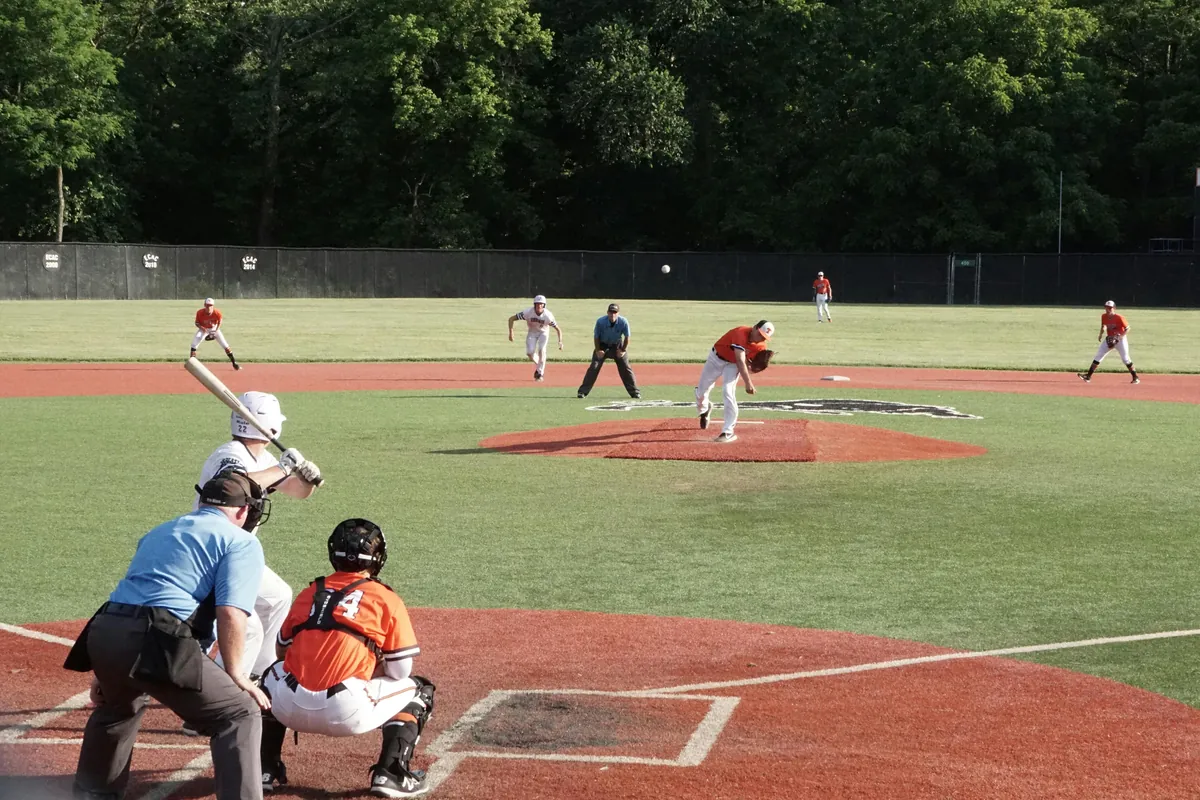
When people hear the term “house speaker,” most immediately think of the U.S. political figure responsible for overseeing the House of Representatives. Rarely does the role connect directly to the sports industry. Yet, the impact of a house speaker can ripple far beyond Capitol Hill, touching areas such as sports funding, legislation, athlete advocacy, and even major sporting events. This article explores the multifaceted ways in which the house speaker’s responsibilities intersect with the sports landscape in the United States, highlighting notable examples and examining the broader implications for athletes, fans, and sports organizations.
Understanding the Role of the House Speaker
The house speaker serves as the presiding officer of the United States House of Representatives, a position established in the Constitution. Beyond managing legislative sessions and maintaining order, the speaker has significant influence over the legislative agenda and the allocation of legislative resources. This position is traditionally held by a member of the majority party and represents one of the most powerful roles in American government.
Because the speaker controls which bills reach the floor, their decisions can affect every industry subject to federal law, including sports. The house speaker’s leadership can accelerate or stall legislation related to sports governance, funding, and regulations that impact athletes and sports organizations nationwide.
Sports Legislation and the Speaker’s Influence
Throughout history, numerous laws affecting sports have been shaped or influenced by decisions emanating from the House speaker’s office. Issues such as funding for youth sports programs, Title IX protections, sports betting regulation, and athlete health and safety policies often require congressional approval before becoming law.
Funding for Sports and Community Programs
Federal funding for community sports initiatives, youth development, and physical education programs often passes through appropriations committees, where the house speaker’s support is essential. For example, budget allocations for after-school sports programs can hinge on the speaker’s ability to rally legislative support. These funds are crucial for promoting physical activity and sports participation among young Americans, especially in underserved communities.
Regulating Sports Gambling
The growth of legalized sports gambling has been a legislative priority in recent years. The house speaker plays a pivotal role in advancing or hindering bills that regulate sports betting at the federal level, influencing how states legislate betting on professional and collegiate sports events. The speaker’s stance on related legislation can impact sports leagues, broadcasters, and bettors alike by shaping the regulatory environment.
Athlete Rights and Health Protections
Legislation concerning athlete welfare, such as concussion protocols, anti-doping laws, and protections for collegiate athletes’ name, image, and likeness (NIL) rights, often requires congressional oversight. The house speaker’s leadership affects the momentum of bills designed to protect athletes’ rights and promote fair treatment, demonstrating how political leadership transcends the traditional boundaries of government and sports.
High-Profile Sports Events and Government Involvement
The house speaker’s engagement extends to major sporting events hosted in the United States, including the Olympic Games, World Cups, and national championships. These events often require federal funding, security coordination, and infrastructure support, where legislative backing is crucial.
Olympic Funding and Support
Federal assistance for Olympic preparations, including anti-doping initiatives and athlete training programs, often involves congressional approval. The house speaker’s influence can expedite legislation that allocates resources for U.S. athletes competing on the global stage, helping maintain international competitiveness.
Sports Infrastructure and Economic Impact
Large-scale sports events generate significant economic activity but also require government cooperation for stadium construction, transportation, and public safety. The house speaker’s ability to negotiate infrastructure bills and prioritize funding can determine a city’s or region’s suitability for hosting major sporting events, impacting local economies and sports communities.
Case Studies: When Politics Meets Sports Leadership
Examining specific instances where house speakers have directly or indirectly affected sports provides insight into the role’s broader impact.
Speaker’s Role in the 2010 Affordable Care Act and Athlete Health
During the passage of the Affordable Care Act (ACA), the house speaker at the time played a central role in shaping the legislation. The ACA’s provisions extended health insurance coverage for many Americans, including athletes at various levels who previously lacked adequate medical coverage. This legislation has improved health access for minor league players and youth athletes, illustrating how political leadership can enhance sports health standards.
Sports Betting Legislation in the 2020s
More recently, the house speaker’s stance on sports betting bills has influenced the legislative environment surrounding gambling. With the Supreme Court’s 2018 repeal of PASPA (Professional and Amateur Sports Protection Act), states were empowered to legalize sports betting. Federal guidance and legislation have been debated in Congress, with the house speaker’s office playing a role in shaping how quickly and extensively these laws evolve.
Advocacy for Athlete NIL Rights
The recognition of collegiate athletes’ rights to their name, image, and likeness has been a landmark change in sports. Congressional hearings and legislation proposals have sought to establish national standards for NIL rights, with the house speaker’s leadership pivotal in bringing these issues to the floor. This shift represents the growing intersection of athlete advocacy and legislative action.
Challenges and Criticisms: Balancing Politics and Sports
While the house speaker’s influence can positively affect sports, the intersection is not without controversy. Political gridlock can delay important sports-related bills, impacting athletes and organizations. Critics often argue that political agendas sometimes overshadow the best interests of sports communities.
Moreover, sports have become a stage for contentious societal debates, and the house speaker’s role in navigating these can be fraught with challenges. Issues ranging from racial equality in sports to athlete protests require careful political handling, highlighting the complex relationship between governance and athletics.
The Future of the House Speaker’s Role in Sports
As sports continue to evolve, including emerging areas like esports, digital fan engagement, and global sports diplomacy, the house speaker’s involvement is expected to expand in scope. Legislative frameworks will need to adapt to new realities, and political leadership will be essential in shaping fair and progressive policies for athletes and sports stakeholders.
Understanding the house speaker’s role helps sports enthusiasts and those involved in the industry appreciate how political decisions influence the playing field beyond scores and championships. The convergence of politics and sports underscores the importance of civic engagement and informed discussion on issues affecting sports at every level.
Frequently Asked Questions
What is the primary role of the house speaker?
The house speaker is the presiding officer of the U.S. House of Representatives, responsible for managing legislative sessions, setting the legislative agenda, and representing the majority party in the House.
How does the house speaker impact sports legislation?
The house speaker influences which sports-related bills are prioritized and passed in Congress, affecting funding, regulations, athlete health policies, and sports betting laws.
Can the house speaker influence major sporting events?
Yes, through legislative support for funding, infrastructure, and security measures, the house speaker plays a role in enabling the United States to host and support large-scale sporting events. Sports Illustrated
Has the house speaker ever been involved in specific sports-related laws?
Yes, examples include the influence on healthcare legislation benefiting athletes and the role in advancing sports betting regulation and athlete rights legislation.
Why is the house speaker’s role important for sports fans and athletes?
The speaker’s leadership can shape policies and laws that affect athlete welfare, sports funding, and legal issues surrounding sports, thereby impacting the overall sports environment.