In many team sports, the term “guard” describes a position essential for both offense and defense. While the specifics of the role can vary depending on the sport, the guard is typically responsible for protecting teammates, facilitating plays, and maintaining control of the ball or game flow. This article provides an in-depth look at the guard position across different sports, explaining its importance, the skills required, and how players excel in this role.
What Does a Guard Do? An Overview
The term “guard” is most commonly associated with basketball and American football but also appears in soccer, hockey, and other team sports. Generally, a guard’s responsibilities revolve around protecting a specific area or player, advancing the ball, or orchestrating plays strategically.
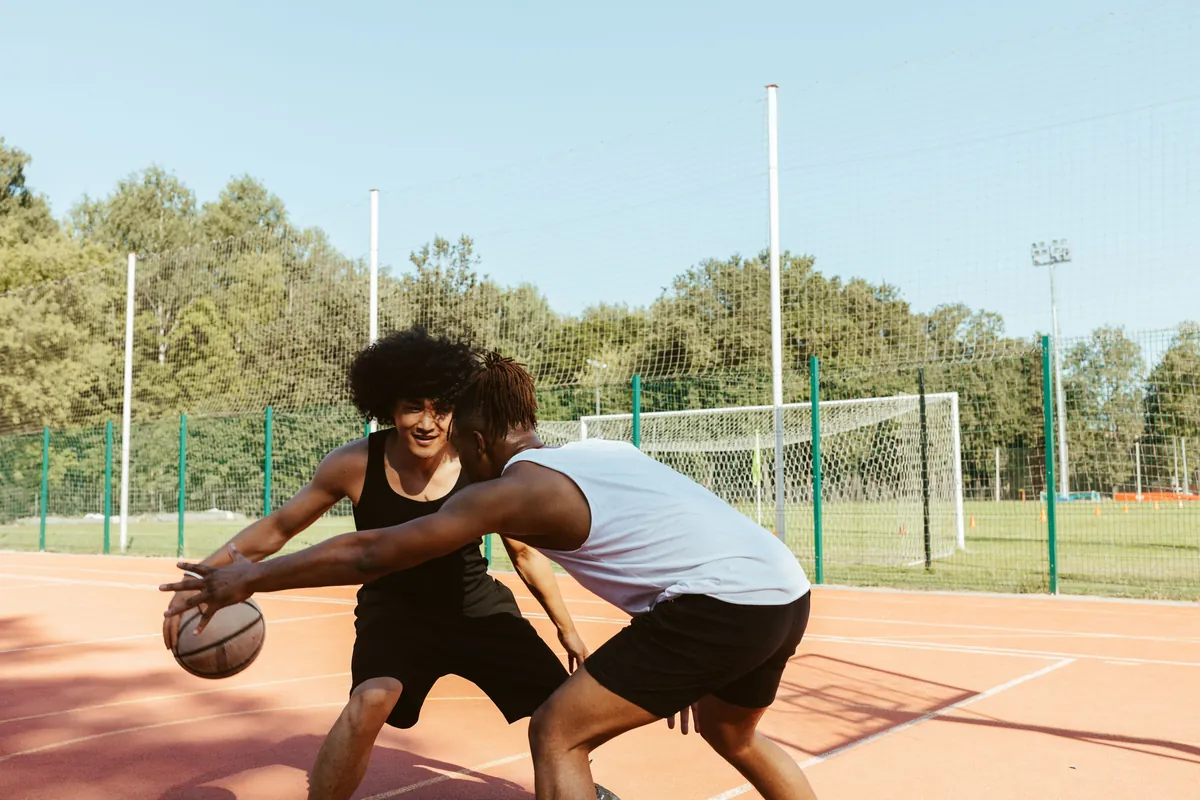
For instance, in basketball, guards are often the primary ball handlers and playmakers, tasked with setting up offensive plays and defending perimeter players. In American football, guards are part of the offensive line, positioned to protect the quarterback and create openings for runners.
The Guard Position in Basketball
The Types of Guards
Basketball primarily classifies guards into two categories: point guard (PG) and shooting guard (SG).
- Point Guard: Often described as the “floor general,” the point guard directs the team’s offense by controlling the ball and making key passes. They need exceptional dribbling, vision, and decision-making skills. For example, NBA stars like Chris Paul and Stephen Curry are renowned for their point guard expertise.
- Shooting Guard: The shooting guard is usually the team’s best shooter from the perimeter. Alongside scoring, they help handle the ball and defend against opposing guards. Michael Jordan and Klay Thompson exemplify elite shooting guards.
Key Skills of Basketball Guards
To succeed, guards in basketball require a blend of skills including:
- Ball Handling: Exceptional dribbling to navigate defenses and set up plays.
- Passing: Accurate and quick decision-making to distribute the ball effectively.
- Defense: Courage and agility to guard opposing players, often the fastest and most skilled on the court.
- Shooting: Ability to score from long range and mid-range.
- Leadership: Directing teammates and maintaining composure under pressure.
Guards often serve as the backbone of offensive strategies, balancing scoring and playmaking responsibilities.
The Role of a Guard in American Football
Understanding the Offensive Guard Position
In American football, the guard is an offensive lineman who lines up on either side of the center. Their primary function is to protect the quarterback and clear pathways for running backs by blocking defensive players. Sports Illustrated
Responsibilities and Skills
Guards must combine strength, agility, and intelligence. Their duties include:
- Pass Protection: Guards help form a shield to prevent defenders from sacking the quarterback.
- Run Blocking: Opening lanes for running plays by pushing defenders out of position.
- Pulling: A technique where the guard moves laterally to block defenders on outside runs or sweeps.
Unlike guards in basketball who emphasize speed and finesse, football guards focus on brute strength, technique, and teamwork. Legendary NFL guards like Larry Allen and John Hannah set high standards for excellence through their power and precision.
Guards in Other Sports
Soccer
While the term “guard” isn’t commonly used in soccer, related positions like defensive midfielders sometimes function similarly — protecting the defense and intercepting opposition attacks. These “holding” players guard the space in front of the defenders and distribute the ball forward.
Ice Hockey
In hockey, defensemen guard their zone and work to prevent the opposing team from scoring. They support the goalie and clear the puck from the defensive area. While not called guards, their role parallels the protective aspect inherent in the term.
Training and Developing as a Guard
Regardless of sport, excelling as a guard requires dedicated training focused on both physical and mental attributes.
Physical Conditioning
Guards should maintain high levels of endurance, agility, and strength. For basketball guards, this means agility drills, sprints, and shooting practice. Football guards prioritize weight training and explosive power exercises.
Technical Skills
Mastering position-specific techniques is vital. Basketball guards work on dribbling, passing, and defensive footwork. Football guards hone blocking techniques and learn to read defensive formations.
Mental Acuity
Guards often act as on-field strategists. Developing game intelligence, quick decision-making, and leadership qualities can elevate a player’s effectiveness greatly. Watching film, studying opponents, and maintaining composure in-game are all essential.
Conclusion
The guard position in sports is diverse and multifaceted, playing a crucial role in both offense and defense. Whether it’s orchestrating plays on the basketball court or providing the physical protection needed on the football field, guards are central to team success. Understanding their responsibilities and developing the required skills can help players thrive and contribute meaningfully to their teams.
Frequently Asked Questions
What are the main differences between a point guard and a shooting guard in basketball?
The point guard primarily directs the offense, handling the ball and creating plays, while the shooting guard focuses more on scoring, especially from outside shooting positions. Both share some ball-handling duties but have distinct roles.
Why is the guard position important in American football?
Guards protect the quarterback from defensive pressure and create running lanes, making them vital to both passing and running plays. Their blocking enables offensive success and player safety.
Can a player switch from guard to other positions easily?
It depends on the sport and the player’s skills. In basketball, guards might move between point and shooting guard roles. In football, switching from guard to another offensive line position is possible but requires adapting to different techniques.
What physical traits help a guard perform well?
Guards typically need agility, strength, endurance, and quick reflexes. Basketball guards benefit from speed and coordination, while football guards emphasize strength and explosive power.
How can young athletes develop the skills to become a guard?
Focused practice on sport-specific skills, physical conditioning, learning from coaches, and understanding game strategy are all critical. Playing multiple positions can also improve versatility and understanding of team dynamics.